Month: December 2025

RED MEAT AND COLORECTAL CANCER: Is There a Link?

You are what you eat is a phrase popularised by the German philosopher Ludwig Feuerbach as early as the 1850s, although the roots of this philosophical principle can be traced back to Hippocrates. Indeed, on days when we are overwhelmed by work and obligations, when we “have coffee for breakfast,” skip lunch, and spend a spare minute or two on a cigarette or a chocolate doughnut, we should not expect to feel energetic or at the peak of our abilities. If we add an energy drink to the mix, it is not long before we notice hand tremors, difficulty concentrating, and possible digestive problems—ranging from acid reflux to painful abdominal cramps.

The fact is that technological progress—and with it the production, transport, and storage of food, as well as innovations such as frozen bakery products baked on the day of purchase, still soft, warm, and fragrant—has advanced far more quickly than our genes can adapt. Just a few generations ago, bread was a treat made once or twice a week; diets were based on stews and vegetables, with meat added sparingly, often more for flavour than quantity. Meat was boiled or roasted; deep-frying was not a common method of preparation. Desserts relied on fruit or simple sponge cakes with fruit fillings. A pistachio-filled doughnut? Unthinkable at the time.

Although meat drying for preservation, as well as the early forms of dishes like steak tartare, date back to distant history, the first processed meats—such as sausages, cold cuts, and pâtés—associated with carcinogenic effects appeared in the early 20th century. While the high salt content of these products has a negative impact on health (for example, raising blood pressure), the real culprits behind their carcinogenic potential are nitrates and nitrites.

A fresh-looking extra pink steak on the shelf is probably the worst choice you could make!

Although nitrates and nitrites were originally added as preservatives (for example, to inhibit the growth of C. botulinum), today they are used in increasingly larger and more problematic amounts, primarily for visual appeal. They stabilise and prolong the familiar pink-red colour that makes meat look “fresh” even after sitting on a shelf for weeks. In addition, they act as flavour enhancers, intensifying the characteristic “sausage-like” taste of meat products.

The end result is that meat—often imported long ago and of lower, sometimes questionable quality simply because it has been stored for so long—can be attractively packaged and sold while still appearing fresh, thanks to artificially enhanced colour. Such products not only carry a risk of carcinogenic effects, but also aggressively undercut domestic, higher-quality meat products on price. These local products may have only just reached the market and may not appear as vividly pink or “fresh,” yet they are nutritionally and qualitatively superior.

CAUSES OF CARCINOGENICITY

Why are nitrites and nitrates carcinogenic, and why primarily to our large intestine? When they come into contact with haem iron (abundant in red meat) and proteins in the gut, they are converted into so-called N-nitroso compounds (NOCs). These NOCs are carcinogenic to the digestive tract, particularly to the lining of the colon and rectum.

NOCs formed in the intestine cause DNA damage in the cells of the intestinal mucosa, leading to mutations. The development of mutations is the first step in the transformation of a normal cell into a cancer cell. If such a cell begins to multiply uncontrollably, carcinoma in situ may develop initially, without penetrating the bowel wall. Over time, further spread allows the tumour to invade the intestinal wall and metastasise to lymph nodes and/or other organs.

Because gut bacteria promote the formation of NOCs—and the highest bacterial load is found in the large intestine—it is not surprising that higher consumption of processed red meat is associated with an increased risk of colon cancer. Alongside dietary adjustments, including reducing processed red meat and increasing fibre intake, it is essential to take colorectal cancer screening programmes seriously; in the United States, population-based screening has been recommended and widely implemented since the early 2000s, with national guidelines endorsing regular screening for average-risk adults.

According to the IARC classification (2015), processed meat is placed in Group 1 carcinogens (proven carcinogens, alongside substances such as tobacco and asbestos), while red meat is classified as Group 2A (probable carcinogens, comparable to UV-A tanning lamps or certain anabolic steroids).

THE RISKS

The incidence of CRC in the United States is approximately 37 new cases per 100,000 people per year, compared with around 24–30 in the EU. Eastern Europe, the Balkans, and Croatia carry a higher risk, with about 44 new cases per 100,000 people annually.

If you receive stool sample test kits by mail—or notice that your parents have received them—do not throw them away. These tests detect invisible blood in the stool, which may indicate dangerous changes in the intestinal lining. The cause can also be benign, such as internal haemorrhoids, but the only reliable way to clarify this is colonoscopy. This allows the physician to directly visualise any changes, such as polyps, which are often removed immediately and sent for analysis.

If you notice blood in the stool—especially in larger amounts—dark, almost black stools, abdominal pain, or alternating diarrhoea and constipation with or without blood and bloating, you should seek medical attention without delay. In addition to colonoscopy, specific blood markers will also be assessed.

If most of your meals consist of red meat (for example, four times a week or more), it is essential to follow preventive recommendations. While a fully plant-based diet may feel unrealistic for many, the first and most important step is to eliminate processed red meat, such as pâtés and cold cuts.

The most common cancers; IARC / GLOBOCAN 2022.

PRVENTION MEASURMENTS

Five-year survival of CRC in the United States and the EU is around 60–63%, whereas in Croatia it is only about 50–52%. This point is crucial: when CRC is detected at stage I, five-year survival exceeds 90%.

It is also important to stress that detection at this early stage is extremely limited with abdominal ultrasound. On colonoscopy, however, these early changes usually appear as small polyps that can be easily removed. Tumour markers may still be normal in these initial stages. The conclusion is clear: although unpleasant, colonoscopy is the examination that saves lives.

Industrial processed meat products—such as frankfurters, pâtés, salami, bologna-type sausages, deli meats, hot-dog sausages, industrial bacon, and canned meats—are foods that should be avoided or at least strictly limited. In contrast, vegetables that naturally contain nitrates do not pose the same risk. Why? In vegetables such as beetroot, nitrates occur alongside vitamin C, polyphenols, and other protective compounds, preventing their conversion into harmful N-nitroso compounds in the gut.

Many people assume that this risk does not apply to homemade cured meats. However, this depends entirely on the recipe. If curing salt or nitrite salt is added to homemade meat, the risk is essentially the same as with industrially processed products. Regarding intake and quantities, the World Cancer Research Fund (WCRF) recommends avoiding processed meat altogether and limiting red-meat portions to no more than two to three small servings per week (beef, pork, lamb). Poultry and fish are not considered risky, while vegetables have a protective effect, making the overall balance and distribution of meals throughout the week crucial.

In other words, it is not necessary to eliminate meat entirely—but processed meat should be avoided, and other meats consumed thoughtfully and in moderation.

A Practical Weekly Schedule for Main Meals

Fish: 2 times per week

Poultry: 2 times per week

Legumes / plant-based proteins: 2 times per week (stews, plant-based patties)

Red meat: 1 time per week (unprocessed only)

LEARN MORE ABOUT:
1 2 3 4 5 6 7 8

Left voiceless!

  • The most common causes are post-viral laryngitis and irritation of the upper airway mucosa, especially during respiratory infection season.
  • Treatment – symptomatic: hydration, air humidification, lozenges, inhalations, throat sprays, and nasal rinses; antibiotics are usually not indicated.
  • Additional causes: acid reflux, smoking, dry air, and vocal strain; treatment includes PPIs and lifestyle changes.
  • When to see an ENT specialist: if hoarseness lasts longer than 3 weeks, fiberoptic laryngoscopy is required, with additional tests as needed (endocrine or imaging).
  • New approaches: speech therapy exercises and HRV biofeedback to relax the larynx in functional dysphonia; muscle relaxants or botulinum toxin only in selected cases

Hoarseness, or dysphonia, is an unpleasant symptom that most often has no serious cause, is short-lived, and does not lead to lasting consequences—yet it can still temporarily interfere with everyday functioning. In early autumn, we encounter a wide range of respiratory viruses, most of which affect the upper respiratory tract and cause local irritation and inflammation of the mucosa. From milder pathogens such as RSV, metapneumovirus, and adenovirus to more severe infections like influenza or COVID-19, one common symptom is hoarseness—ranging from a rough, strained voice to complete voice loss (aphonia).

The underlying cause is inflammation of the laryngeal mucosa, or laryngitis, which also involves the vocal cords. As the virus enters the cells of the respiratory and oral mucosa and the body mounts a defense, local inflammation develops: mucus production increases, the mucosa and vocal cords swell, and symptoms are often accompanied by pain—from a burning sensation to dull pain when swallowing. Increased secretions frequently drain downward along the nasopharynx and oropharynx, sometimes without nasal congestion or the need to blow the nose. This can be confusing for patients, but symptomatic treatment with nasal sprays and medications is usually the first line of relief.

Postnasal drip can trigger a reflex cough, which in turn may worsen symptoms of acid reflux—meaning the causes of an irritating, prolonged cough are often multiple. After a viral infection, cough alone can persist for 6–8 weeks, an important point to emphasize to parents of young children who may cough intermittently throughout much of the winter in daycare or group settings. Gastric acid reflux can further irritate and damage the vocal cords, worsening hoarseness and voice loss. In smokers, even temporary abstinence from cigarettes—as well as e-cigarettes and vaping devices—is crucial in these situations.

Treatment and management measures

It is essential to reduce exposure to secondhand smoke, enclosed and poorly ventilated spaces, and dry indoor air, as well as to regularly air out the rooms we spend time in. Humidifying the air can also be helpful, especially when a few drops of essential oils are added (such as peppermint, eucalyptus, lavender, or pine needle oil). Some essential oils are specifically refined and suitable for use in inhalers for both children and adults, particularly those based on pine needles.

Throat pastilles are also useful for moisturizing the throat—especially those containing sage, plantain, or honey—along with adequate daily hydration (water, teas, electrolytes). In cases of sore throat, various herbal throat sprays with or without analgesics can be helpful, as well as gargling with strong sage tea or saline solutions. When hoarseness is caused by sinus congestion and increased secretions, regular nasal rinsing with saline or hypertonic saline sprays is necessary, as these more effectively remove viruses from the mucosa. Effervescent calcium with added vitamin C once daily has shown benefit in some cases, but the key measure remains voice rest and avoidance of all irritants.

What if hoarseness doesn’t go away?

In some cases—especially in people who use their voice professionally and frequently (such as opera singers, broadcasters, or presenters)—hoarseness can become prolonged, often due to returning to work without adequate voice rest. Newer therapeutic approaches, in addition to pharmacological treatment, include speech therapy exercises and a specific type of biofeedback—HRV (heart rate variability) biofeedback. Under medical supervision and with the use of special sensors, patients are guided through paced breathing exercises aimed at reducing sympathetic tension, relaxing the larynx, and improving voice quality in cases of functional dysphonia.

If hoarseness persists for more than three weeks, without a clear cause and despite symptomatic treatment, an ENT specialist evaluation is necessary. Fiberoptic laryngoscopy allows visualization of the larynx and vocal cords, while selected laboratory tests can help identify possible endocrine or inflammatory causes. MRI or CT imaging of the neck is indicated in patients with long-lasting hoarseness, and in long-term smokers, tumor markers and low-dose CT of the lungs should also be considered. In patients with allergies (especially to dust or mites), antihistamines and intranasal corticosteroids may be introduced. Systemic corticosteroids (tablets or injections) require caution due to potential side effects and are reserved for exceptional cases. Antibiotics are not indicated for hoarseness alone. In some situations, short-term anxiolytics or muscle relaxants may be used to reduce spasm, and in selected cases, microdoses of botulinum toxin injected directly into laryngeal muscles have been explored.

Although hoarseness is most often benign and post-infectious, typically resolving within 2–3 weeks, it can significantly impair work and daily functioning. Voice rest is essential, along with adequate hydration, smoking cessation, and avoidance of smoky environments, concerts, and cold carbonated drinks. Regular inhalations and the use of throat lozenges, honey, and symptom-adapted syrups (antitussives, expectorants, and similar) can also provide relief.

Therapy.

Hoarseness caused by cough:

Suhi kašalj: Butamirate citrate 20 mg or 50 mg, twice daily for 5 days, or dry herbal extracts based on plantain, ivy, marshmallow root, or linden flower; bay leaf tea once daily for 5–7 days.
Productive cough: Ambroxol hydrochloride 30 mg, three times daily for up to 6 days; or expectorants based on ivy or primrose; or guaifenesin 200 mg, 1–3 times daily.

Hoarseness due to acid reflux:

A proton pump inhibitor should be taken in the morning on an empty stomach; if the cough is severe, an additional dose may be taken in the evening before bedtime, for up to 12 weeks. It is essential to avoid eating 2–3 hours before lying down, and after meals to avoid bending forward, squatting, or activities that increase pressure on the abdominal wall.

Hoarseness due to a viral infection

: Regular nasal and sinus rinsing with isotonic saline or hypertonic saline solutions; inhalations using an inhaler or nebulizer with the addition of essential oils.

The KEY = hydration!

Even mild dehydration can worsen hoarseness and cough. Keep water, tea, or an electrolyte drink with you, along with throat lozenges, a nasal spray, and—if needed—a throat spray with an analgesic.
LEARN MORE ABOUT:
1 2 3 4

SPF 30 vs. SPF 50

Why is SPF necessary, how often should it be reapplied, and is there really a difference between SPF 30 and SPF 50?

SPF (Sun Protection Factor) measures how much longer we can stay in the sun after applying SPF compared to unprotected exposure—the time it would take for an individual’s skin to burn or turn red without protection. However, this definition should not be taken purely mathematically. Otherwise, we might assume that someone who burns after 15 minutes could safely stay in the sun 30 times longer with SPF 30—about 450 minutes (7.5 hours)—which is not true.

Skin reacts differently from person to person, with higher risk for those with lighter skin and eye color, and the time of day also matters. The amount of solar energy the skin receives after one hour of sun exposure at 9:00 a.m. is roughly equivalent to just 15 minutes at 1:00 p.m. For this reason, the general rule today is to reapply SPF—especially on the face and décolletage—every two hours, and more often if you sweat heavily or swim. For optimal protection, SPF cream or emulsion (depending on skin type and tolerance) should be applied about 20 minutes before sun exposure. In practice: after washing your face in the morning, keep your SPF close—right next to your coffee.

So what makes the sun particularly harmful to our skin, especially in summer? UV radiation. Ultraviolet light is a form of electromagnetic radiation with wavelengths just below visible light. While the human eye detects light between 380 and 750 nanometers, UV radiation ranges from 100 to 400 nanometers and is invisible to most people. Interestingly, some individuals can perceive UV light after cataract lens removal surgery, and certain insects—such as bees and butterflies—experience much of the world through ultraviolet-tinted glasses.

UV and skin cancer

Climate change over the past 50 years has contributed to a reduction in stratospheric ozone, which acts as a protective shield limiting the amount of UV radiation that reaches our skin. Unfortunately, this decline is reflected in higher average UV index values, especially during summer. Today, the UV index in Adriatic Sea reaches 8–10, while in the 1970s it was around 5–6 at the same time of year. This increase is directly linked to rising rates of skin cancer. European studies show a striking trend: melanoma, which affected about 5–7 people per 100,000 fifty years ago, now affects between 10 and 25 per 100,000. At the same time, cases of basal cell carcinoma have risen dramatically—from roughly 100,000 cases across Europe 50 years ago to over half a million new cases per year in Germany alone.

Recently, social media has popularized controversial claims suggesting that the increased use of SPF is responsible for higher skin cancer rates—claims that directly contradict verified data showing rising UV exposure. UV radiation is undeniably carcinogenic: it damages skin cell DNA, causes breaks within the cell nucleus, and triggers tumor formation and uncontrolled cell growth. While the harmful effects of UV radiation are clear, SPF products can and should be chosen carefully based on their ingredients. One of the largest clinical studies conducted in Australia—well known for its intense sun exposure—showed a 40% reduction in squamous cell carcinoma and a lower risk of melanoma with regular SPF use.

Beyond cancer prevention, SPF also protects the skin from premature aging, wrinkles, sun spots, hyperpigmentation, and loss of elasticity. Many people take collagen supplements, yet often forget that UVA rays penetrate deep into the dermis, where collagen is located, causing its breakdown. If we do not protect collagen from UV damage, the benefit of supplementing it becomes questionable. The conclusion is clear: choose high-quality SPF creams or emulsions clearly labeled for both UVA and UVB protection.

SPF & vitamine D

Knowing that vitamin D is produced in the skin—and that we protect the skin with SPF—what should we do about vitamin D and supplementation during summer? In short: nothing. If we are healthy, without significant chronic illness, have adequate dietary sources of vitamin D, and are not deficient, summer supplementation is usually unnecessary. SPF does not block all sunlight, so vitamin D synthesis still occurs. For the same reason, despite using SPF, it is still recommended to avoid sun exposure during the hottest part of the day, when the UV index exceeds 8.

Briefly, how vitamin D becomes active: under UV-B radiation, the skin first produces cholecalciferol (vitamin D3). It is then transported to the liver and converted to calcidiol (25-OH-D3), the main circulating form measured in blood. A final step occurs in the kidneys, where calcitriol (1,25-OH-D3), the active form, is produced. Beyond regulating calcium and phosphorus (important for bone health), vitamin D supports immune function. People with frequent viral infections or recurrent sinus and lung infections should consider checking serum vitamin D levels. Because activation requires healthy skin, liver, and kidneys, dysfunction or disease of these organs can lead to deficiency.

How much sun is needed without SPF? If healthy, very little. In summer, about 15 minutes for fair-skinned individuals and around 30 minutes for darker skin tones is sufficient (face and arms exposed), ideally in the early morning or late afternoon. The rest of the day should be spent under SPF protection. In winter, in countries above 40° latitude (including Croatia and much of the U.S.), increased dietary intake and supplementation are often recommended. Scandinavian countries address this through food fortification—Finland, for example, has fortified staple foods since 2003, raising adequate vitamin D levels from about 30% of the population before 2000 to nearly 90% today (with sufficient levels considered 50–75 nmol/L, ideally closer to 75). Vitamin D deficiency should also be considered in liver and kidney disease, in older adults with osteopenia or osteoporosis, certain autoimmune conditions, and in people on long-term metformin (for diabetes), where periodic monitoring is advisable.

Factor 30 or 50?

SPF 30, in simple terms, blocks about 97% of UVB rays (around 3% still reach the skin), while SPF 50 blocks about 98%. At first glance, this 1% difference may not seem significant, but because protection increases exponentially, SPF 50 actually allows around 30% less UVB radiation to reach the skin compared to SPF 30. Choosing the right factor should be an individual decision. SPF 50 is recommended for people with fair skin and light eyes, those who burn easily, have freckles, or a positive family history of skin cancer. For most healthy individuals, SPF 30 is sufficient—provided it is reapplied regularly. Its lighter texture also makes SPF 30 less comedogenic and often preferable (in emulsion form) for highly acne-prone or problematic skin.

The takeaway? Balance, as always. Short sun exposure in the early morning or evening helps maintain vitamin D levels, while direct sun should be avoided entirely when the UV index exceeds 8 (most often between 11 a.m. and 3 p.m.). Choose creams or emulsions with well-verified ingredient lists, and remove them thoroughly—just like makeup—before bedtime. In summer, opt for gentle foams or gel cleansers and avoid harsh mechanical or enzymatic peels to keep the skin resilient and ready for extreme summer conditions.

LEARN MORE ABOUT:
1 2 3 4 5 6 7 8 9

COFFEE – Benefits & alternatives

Early morning hours—the alarm goes off once, maybe twice. The warm, soft bed invites us to stay, but everyday life is waiting: work, university, kindergarten, training, a trip to the market. As daylight slowly breaks and dim light or autumn fog suggests the bed might have been right after all, one thing brings a smile to many of us—the smell of freshly brewed coffee. One of the world’s most popular beverages, connecting cultures, people, and time itself: coffee. Black, Turkish, espresso, instant, café latte, macchiato, cappuccino, white coffee, or modern versions with plant-based milk and flavor additions—coffee is an undeniable part of daily life.

Although often associated with Colombia and Latin America, coffee was first mentioned in the 15th century on the Arabian Peninsula, where mystics used its stimulating effects to stay awake during night prayers. The first coffee houses opened in Mecca and Cairo, and through the Ottoman Empire coffee spread across Europe, becoming part of social and intellectual life. From there, the Dutch introduced it to Latin America, where regions such as Colombia and Brazil offered ideal growing conditions.

C₈H₁₀N₄O₂—better known as caffeine—is a fascinating molecule with many effects on the body. Thanks to its structure, caffeine easily crosses the blood–brain barrier, which explains its strong influence on alertness and mood. Its main effect comes from blocking adenosine receptors, which normally promote sleepiness. By blocking them, caffeine reduces fatigue, increases brain activity, and boosts the release of neurotransmitters such as dopamine, improving mood and focus.

Research shows that caffeine enhances alertness, information processing, and memory by activating the cerebral cortex and brain regions involved in learning, such as the hippocampus. It is therefore no surprise that many of us reach for coffee in the morning—and often again after lunch, when heavier meals tend to make us feel drowsy.

In addition to sharpening mental focus and memory, caffeine increases blood flow to the muscles and improves physical performance.

Caffeine has a dual effect on blood vessels: it constricts those in the brain, while dilating vessels in the rest of the body and muscles. Headaches are sometimes linked to dilated blood vessels in the head—this is why caffeine can help relieve them. This is also why caffeine is included in some painkillers and is commonly used for migraines—an approach that is reasonable as long as such medications are taken only occasionally and provide clear pain relief.

In muscles, caffeine has the opposite effect: by dilating blood vessels, it increases blood flow. In addition, caffeine stimulates the release of calcium, which leads to stronger muscle contractions. If you are planning a workout or more intense physical activity, it can be helpful to have your coffee about 30–60 minutes beforehand. This can improve physical performance. However, it is important to consider coffee’s acidity—people prone to reflux may want to avoid coffee immediately before training.

It is also important to keep in mind caffeine’s effect on the kidneys. Caffeine acts as a diuretic, increasing urine output and fluid loss. Adequate hydration is therefore essential, especially for those who consume larger amounts of coffee throughout the day.

Caffeine has a diuretic effect and increases fluid loss through the kidneys—which is why serving coffee with a glass of water makes perfect sense!

 Of course (as you will read many times on this site) any substance that has benefits for the body also has a threshold beyond which it becomes harmful. Balance is the key to everything, something our bodies tell us clearly at a biological level; the real skill lies in learning to listen to it. Excessive caffeine intake can initially speed up heart rate, leading to uncomfortable tachycardia and even more unpleasant palpitations—the sensation of skipped or forceful heartbeats that can trigger anxiety. This discomfort, especially after afternoon coffee, often interferes with sleep. Modern lifestyles—constant demands, responsibilities, stress, and focus overload—already make healthy sleep–wake regulation challenging. Surprisingly, maintaining a regular sleep cycle today often requires deliberate planning. If you recognize yourself in this, it is worth considering whether adjusting caffeine intake could help. The recommended daily caffeine intake for healthy adults is about 200–300 mg (roughly 2–4 cups, depending on strength and cup size). If you prefer strong Turkish coffee, two medium cups per day are a reasonable limit. Due to genetic differences, some people metabolize caffeine more slowly and may need to limit intake to around 100 mg per day (for example, one 200 mL cup of regular black coffee). Replacing afternoon coffee with lower-caffeine or caffeine-free alternatives is a simple and effective step toward better sleep regulation. In addition to decaffeinated coffee, there are several low-caffeine beverages that are also very healthy options. 

Matcha latte is an increasingly popular choice that, in addition to its gentle green hue, contains on average less than 50 mg of caffeine per serving. It can be prepared with lactose-free milk or various plant-based milk alternatives. A cup of classic Earl Grey black tea contains around 40 mg of caffeine, but it should be steeped for only 2–3 minutes to avoid releasing higher amounts of caffeine. On the other hand, if you crave a coffee-like drink later in the afternoon but do not really need a caffeine “boost,” a healthier option such as a golden latte, made with spices and warm milk, can be a good alternative.

Both coffee and its alternatives are best prepared at home. If you consume them daily or almost daily, pay attention to the coffee, spices, and sweeteners you use, so that this comforting infusion provides beneficial micronutrients while keeping simple sugars to a minimum. Excess sugars can cause rapid spikes in blood glucose, followed by increased insulin release and subsequent fatigue and hunger. Low–glycemic index agave syrup or date syrup, rich in antioxidants, fiber, and iron, are excellent alternatives.

Enjoy your coffee (or its alternatives) every day – in a healthy, balanced way, and without any guilt!

Learn more:

INTERMITTENT FASTING – why, when & is it okay to skip breakfast?

Fasting, as a period of abstaining from most or nearly all food, has a long history in our society. Sometimes viewed as a punishment, and in other cases as a practice that strengthens a person spiritually or brings them closer to God, fasting remains a relevant topic today. Continuous or very frequent fasting, as well as strict restrictive diets (such as completely avoiding carbohydrates), often leave us feeling more tired, reduce focus, learning, and memory, and even when weight loss is initially successful, it is often followed by disappointment—the well-known yo-yo effect. The goal of intermittent fasting should be the opposite: after the first few (challenging) days of adjustment, appetite often decreases, strong cravings (like chocolate at 11 p.m.) become easier to control, and benefits such as better sleep regulation and increased daily energy begin to appear.

One of the most popular approaches is the 16:8 method, which both students and working adults can usually fit into their daily routines (unless you study at night—trying to focus and memorize while hungry is nearly impossible). Many people following the 16:8 method skip breakfast and eat between 12:00 and 8:00 p.m. This raises an important question: how unhealthy is skipping breakfast, and does it really have negative effects on the body—or is it largely a myth?

Skipping breakfast often causes the same level of concern in our grandmothers as sitting on a cold surface or sleeping in a draft. Not so long ago, the morning meal was essential fuel for a full day of physical work, with wake-up times between 4 and 5 a.m. (and deep sleep already by 10 p.m.). But does our modern lifestyle truly require the same approach?

Research shows that frequent breakfast skipping is linked to an increased risk of type 2 diabetes. People who skip breakfast tend to have larger blood sugar spikes after lunch and dinner, leading to higher insulin release, gradual strain on the pancreas, and potentially insulin resistance or prediabetes—the step just before diabetes. Interestingly, in individuals with insulin resistance or early prediabetes and only mildly elevated morning glucose, regular meals, avoiding simple sugars (bakery foods, we know), and losing just 5–6 kg can significantly improve lab results and delay the need for medication.

This does not mean that intermittent fasting has no benefits—only that it needs to be planned carefully. Instead of skipping breakfast entirely, the eating window can be shifted to include a later breakfast and an earlier dinner. The first meal after fasting should be nutrient-dense and low in glycemic index to prevent sharp glucose spikes. A 30-minute moderate-paced walk after the last meal is also recommended.

This combination of properly planned intermittent fasting and regular physical activity is one of the most effective ways to address insulin resistance. Poorly planned 16:8 fasting may actually worsen it—balance is key. For beginners and those with a genetic risk of diabetes, gentler approaches such as a 12:12 or 14:10 schedule are often a better choice.

Shifting tjhe meal window to include breakfast:
10:30 a.m. – breakfast
13:00 p.m. – lunch
15:30 p.m. – snack
18:30 p.m. – dinner

Another popular form of fasting worldwide is the 5:2 method, where we eat normally for five days a week and restrict calorie intake on two days. Its appeal lies in easier adaptation, simpler meal planning, and avoiding daily restriction. This approach has been popularized by several well-known authors. However, it is important to note that on the two fasting days, calorie intake is often reduced to very low levels—sometimes below 600 kcal per day—which can be both difficult and potentially unsafe for higher-risk groups. As with other methods, careful meal timing is essential, and sudden intake of high–glycemic index foods after prolonged fasting should be avoided.

Even stricter approaches include the eat-stop-eat method, where one or two days per week involve a full 24-hour fast, and the OMAD method (one meal a day), where fasting lasts 23 hours with a single main meal consumed within one hour. These stricter regimens carry higher risks and are not sustainable long term. This raises the question of how beneficial they truly are, especially since they usually require a return to more balanced eating afterward—often accompanied by the reappearance of unwanted habits.

The point? Balance.
Intermittent fasting can, and should, be part of a healthy daily routine. Alternating between 12:12 and 16:8 schedules, planning meals carefully, avoiding high–glycemic index foods after fasting (for example—a burger in a bun!), and choosing an eating window that includes breakfast (even a later one) are a solid starting point. Early on, keeping a simple food diary—recording when and what you eat—can be very helpful. Reviewing a week or so of meals often makes it clear what needs adjusting and how balanced your first post-fast meals are.

So, when is the best time to fast?
In healthy individuals without a higher risk of diabetes, there appears to be little difference between eating windows such as 8 a.m.–4 p.m. or 12 p.m.–8 p.m. However, regularly skipping breakfast or eating heavy meals after fasting may, over time, increase blood sugar spikes—even in healthy people—raising the risk of insulin resistance. With good meal planning, the preferred 8-hour window can be chosen based on daily routine. If the goal is weight loss and better sleep regulation, an earlier window that includes breakfast and an earlier dinner (for example 10 a.m.–6 p.m.) may be more suitable, along with adequate hydration and a calming herbal tea in the evening (without sweeteners or caffeine, such as linden, lemon balm, or mint). Hydration matters: water, herbal teas, electrolytes, and mineral water can all help, with carbonation adding a feeling of fullness. Gradual adaptation is key—hunger usually fades with time.

Looking at the bigger picture, our modern habits are far removed from early rising, large breakfasts, and physical labor until dusk—but our genes are not. Only a few generations separate us from that way of life, while evolution has not kept pace with rapid lifestyle changes. This helps explain why heavy, calorie-dense meals rich in processed fats and simple sugars—often eaten after long periods without food—pose such a challenge. Stricter fasting (16:8) can be useful occasionally, while milder approaches (12:12) are often better suited for long-term habits, as long as meals are planned to avoid sharp blood sugar spikes.

Example of a 16:8 meal plan

1st MEAL – Low glycemic index

Oatmeal with chia seeds, almond milk, blueberries, and a pinch of cinnamon

or

2 boiled eggs, cottage cheese, spring onions, and a slice of whole-grain bread.

2nd MEAL – Balanced, protein-rich

Chicken salad: grilled chicken, avocado, cucumber, cherry tomatoes, spinach, quinoa + seasonings of choice.
One slice of whole-grain bread can be added.

3rd MEAL – Light dinner

Salmon with asparagus (or broccoli), oven-baked with herbs, lemon juice, and olive oil.
A small portion of chickpeas can be added, along with strips of bell pepper and/or zucchini.

Between meals?
Yes: Almonds and cranberries, or white grapes and Grana Padano cheese cubes, or walnuts and figs.

No: Bakery pastries, sugary carbonated drinks, regular chocolate bars, chips, cheese puffs, salty crackers, or large amounts of rusks

LEARN MORE ABOUT:
1 2

That remarkable MELATONIN

Sooner or later, we all encounter the topic of melatonin—the remarkable compound best known as a supplement used to improve sleep quality and help with falling asleep. In fact, melatonin is the only neurotransmitter secreted by our pineal gland. This small, pea-sized gland is located deep in the center of the brain, behind our eyes which it is connected to.

Based on the sight information, the pineal gland releases the highest amounts of melatonin during the darkest hours of the night ( 1 -5 a.m.). It is therefore easy to understand how artificial lighting and screen exposure at night can confuse the signals it receives. This leads to disrupted melatonin secretion and disturbances of the normal circadian rhythm (the day–night, wake–sleep cycle). But what other effects does this neurohormone have, and what are the benefits of taking it as a supplement?

Melatonin was first observed in 1917 as an unknown compound in the pineal glands of cows. When extracts were applied to frog skin, they caused changes in skin color. It was not until forty years later that an American dermatologist isolated and named melatonin, initially with the idea of using it to treat various skin conditions.

It was already known at that time that melatonin is produced in much higher amounts at night—more than eight times higher. In study participants, the peak secretion occurred between 10 p.m. and 7 a.m., meaning while sleeping and in dark conditions.

In addition to screen exposure, frequent night shifts pose a significant problem. They are associated with an increased risk of heart disease, digestive issues (ranging from IBS to inflammatory bowel disease), sleep disorders, and even a higher incidence of certain cancers. If changing jobs is not possible, night-shift workers are advised to take melatonin supplements in the early morning hours (between 1:00 and 4:00 a.m.) and to compensate with daytime sleep in softly lit conditions—rather than in complete darkness.

Melatonin has also been shown to have very strong antioxidant properties—almost twice as powerful as one of the most well-known antioxidants, vitamin E. It not only promotes the production of antioxidant enzymes that remove free radicals (harmful compounds that damage DNA), but also stimulates immune system cells.

Melatonin in the bloodstream helps reduce chronic inflammation (for example in obesity, metabolic syndrome, and insulin resistance) and prevents the oxidation of LDL, the so-called “bad cholesterol.” As a result, LDL becomes less likely to adhere to blood vessel walls, reducing the formation of atherosclerotic plaques—the most common cause of angina pectoris and heart attacks.

NEUROPROTECTIVE EFFECTS

Through its strong antioxidant action, melatonin plays a particularly important role in protecting the brain, which contains a high density of melatonin receptors. Numerous studies have shown that melatonin supplementation has a protective effect in stroke, reducing the extent of affected brain tissue. In Alzheimer’s disease, melatonin use has been shown to improve continuous nighttime sleep.

Studies have also reported an increase in hippocampal volume—a brain region crucial for learning and memory—after six months of melatonin supplementation. While melatonin shows potential preventive effects in reducing the risk of developing neurological disorders, the most important form of prevention remains regular, high-quality sleep.

MEN’S AND WOMEN’S HEALTH & FERTILITY

Considering that even occasional disruptions of regular sleep can lead to menstrual cycle irregularities, it is not surprising that melatonin is closely linked to women’s health and fertility. Positive effects of melatonin supplementation have been observed in polycystic ovary syndrome (PCOS), where it has been shown to reduce symptoms such as hirsutism (excess facial hair). A 2013 study found that after eight weeks of melatonin use, women with endometriosis experienced a significant reduction in pain.

The role of melatonin in fertility should not be overlooked, and it is often recommended for women experiencing difficulties with conception, either as a standalone supplement or in combination with myo-inositol. Notably, the follicular fluid surrounding the egg cell just before ovulation contains up to three times higher levels of melatonin than blood, and placental cells are also known to secrete increased amounts of melatonin.

In men, in vivo (human) studies have demonstrated improved sperm motility and integrity with melatonin supplementation. After 45 days of use, increased melatonin concentrations were observed in seminal fluid. Acting as a powerful antioxidant, melatonin helps reduce sperm DNA damage, improves sperm function and penetration ability, and overall enhances sperm quality—thereby increasing the chances of conception.

Melatonin and myo-inositol improve fertility and increase the chances of conception.

FIGHTING THE BREAST CANCER?

Given its strong antioxidant properties, melatonin quickly became a subject of research as a supportive agent in cancer care. Several studies have linked higher melatonin levels with a stronger immune response against tumors. One study suggested that melatonin therapy may reduce the number of receptors involved in the invasive spread of ovarian cancer. As a potent antioxidant, melatonin enhances the activity of enzymes responsible for DNA repair, which may slow tumor progression and reduce the toxicity of chemotherapy and radiotherapy.

This effect has been associated with fewer side effects when melatonin is used alongside chemotherapy, such as oral inflammation, bone marrow suppression, weakness, and fatigue, while also improving sleep quality. Several well-designed studies have shown a higher incidence of cancer in women who work night shifts over long periods. In one such study, melatonin levels were measured in the urine of nurses frequently exposed to night work; those with lower melatonin levels had a higher risk of developing breast cancer later in life.


  • PROPOFOL (IV anesthetic) – do not take melatonin within 24 hours before procedures performed under general anesthesia.
  • XYREM (sodium oxybate) – used in the treatment of narcolepsy; hospital use only.
  • FEVARIN (fluvoxamine, SSRI) – used to treat depression, anxiety, and OCD.
  • METHOXSALEN (psoralen) – used in PUVA therapy for psoriasis, vitiligo, and cutaneous lymphoma.
  • MEXILETINE (class IB antiarrhythmic) – available in Croatia only via special (interventional) import.
  • VILOXAZINE (NRI) – used in the treatment of ADHD; not registered in Croatia.
  • Anticoagulant and antiplatelet medications: warfarin, NOACs (e.g. apixaban), heparins – possible increased risk of bleeding.
  • St. John’s wort tincture
LEARN MORE ABOUT:
1 2 3 4 5 6 7 8

TEA TIME? ME TIME!

A warm blanket, gentle lighting, music or a book you enjoy, and a hot cup of tea—this sounds like an ideal afternoon after a morning shift, or a relaxing day off from the rest of the world. Fruit or herbal, with theine (caffeine) or completely caffeine-free, with honey, lemon, or milk—however you prefer it. One of the oldest (dating back to around 2000 BCE) and most valued beverages in the world has been with us for so long that we have slowly begun to take it for granted. From China, through Japan and India, and later to Europe, the spread of tea began long before Earl Grey became a symbol of British tea culture.

Classic tea comes from a single plant—Camellia sinensis, also known as the Chinese tea plant. It is an evergreen, shrub-like plant that, depending on growing conditions, can develop either as a low, spreading bush or grow upward with a trunk reaching heights of up to 12 meters (in southern and central China). From its first recorded use, when, according to Chinese legend, dried leaves were accidentally blown by the wind into boiling water, C. sinensis has come a long way. Today, it is increasingly mentioned in scientific literature, and growing attention is being given to its medicinal properties.

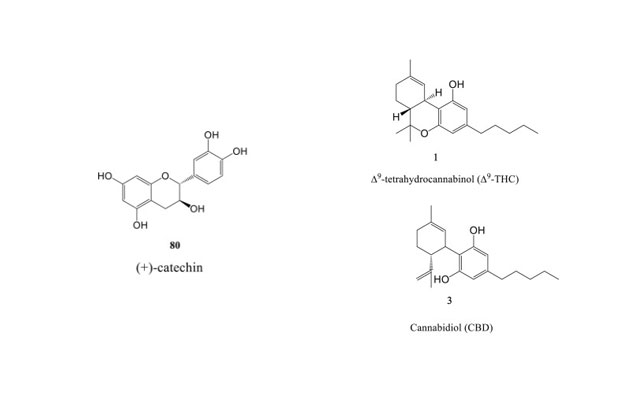
Its anti-inflammatory effects have been well documented. Compounds found in the plant, known as catechins, directly reduce pro-inflammatory molecules called cytokines (COX) in the body. According to more recent studies, they have shown beneficial effects in chronic inflammatory conditions such as atherosclerosis and pancreatitis, and even in the prevention of pre-cancerous lesions. In 2021, researchers studying cannabinoids for cardiovascular protection (from Cannabis sativa L.) identified a range of active compounds with cannabinoid-like effects. Similar protective compounds—catechins—are also found in tea, particularly in green tea, which is the primary form in which the tea plant is consumed.

Picture 1

Molecular structure of catechins (left) vs. cannabinoids (right).

In addition to their cardioprotective effects, research also suggests that catechins may help reduce pain and have a modulating effect on appetite. Depending on the degree of oxidation, teas can be divided into five main types:

Green tea – minimally oxidized, mild in taste, and well known for its health benefits.

Black tea – fully oxidized, strong in both flavor and its effect on alertness, though for this reason it is often the hardest on the stomach.

Oolong tea – partially oxidized, with characteristics that fall between green and black tea.

White tea – the least processed, with a delicate flavor; often used for relaxation due to its very low theine (caffeine) content; the best option for people with gastritis.

Pu-erh tea – fermented, with an earthy flavor; commonly used for digestive issues and as support in weight management.

However, today’s teas go far beyond C. sinensis. Depending on culture, tradition, and climate, every nation has its own specific plant species that are used in the form of teas and tinctures to support health and prevention. These practices and recipes are often passed down from generation to generation. When choosing a tea, it is wise to look for proper guidance and advice—both regarding recommended maximum daily amounts and its use or avoidance during pregnancy, breastfeeding, or in the presence of certain systemic or chronic conditions.

Post-infectious cough

One of the most unpleasant and persistent symptoms that often lingers after more severe—but also moderate—viral infections of the upper respiratory tract. Recently, we unfortunately witnessed the return of whooping cough—fortunately in a milder form, yet still strong enough to cause an intense, dry, choking cough for weeks, and sometimes even months after recovery. This cough was particularly noticeable in the evening hours, disrupting sleep and normal daily functioning in both adults and children.

Alongside other symptomatic treatment measures, certain teas may be helpful in relieving a dry cough.

BAY LEAF TEA
It has anti-inflammatory properties, soothes the airways, and while it primarily calms a dry cough, it can also help with expectoration in cases of mucus buildup.

Preparation: Pour 250 mL of hot water over 3–4 dried bay leaves. Honey and lemon may be added if desired.

Safe use: 1–2 times per day, for 3 to 7 days (do not use continuously for longer periods to avoid digestive discomfort).

Pregnancy: Although, in theory, a small amount of bay leaf tea (once daily for a few days) should not be harmful during pregnancy, due to the lack of sufficient research, pregnant women are generally advised to choose alternatives for cough relief, such as chamomile, marshmallow root, ginger tea, and similar options.

GINGER TEA

This aromatic tea has proven to be particularly helpful for people with asthma.

In addition to its anti-inflammatory effects, its active compounds—gingerol and shogaol—promote bronchodilation, helping to widen the small airways and make breathing easier. Some studies even suggest that ginger may enhance the effect of beta-agonists, medications commonly used to dilate the bronchi in asthma.

Preparation: Slice about 2 cm of fresh ginger into thin pieces, pour over hot water, and let it steep for around 10 minutes. Add honey and lemon if desired. Drink 1–2 cups per day during periods of more pronounced symptoms.

Note: Ginger tea cannot replace either long-term or rescue asthma therapy. It should be used only as a supportive addition to prescribed treatment.


Acute hemorrhoid flare-up

Hemorrhoids are a condition involving swelling—and often inflammation—of the veins in the lower part of the rectum. Although they are usually not life-threatening, they can be very uncomfortable and significantly reduce quality of life. They are aggravated by prolonged sitting, hard stools and constipation, pregnancy, and straining, which is why they are best managed through preventive measures such as dietary adjustments, the use of psyllium, and anatomical cushions designed for sitting.

Hemorrhoids are classified as internal or external, though a mixed form can also occur. There are four stages of hemorrhoids; stages III and especially IV may require surgical treatment. In addition to topical ointments (for external hemorrhoids) and suppositories (for internal hemorrhoids), using a specially designed anatomical seat cushion can also be helpful.

OAK BARK TEA

This tea is especially useful for lukewarm sitz baths, as it has astringent properties that help reduce swelling, irritation, and inflammation. During an acute hemorrhoid flare-up, it can be used both locally and systemically.

LOCAL use:
Lukewarm (not hot) sitz baths: once daily for 15 minutes, for a maximum of 7 days.

SYSTEMIC use:
As a lukewarm tea, taken 2–3 times per day, for up to 3 days.

It is intended for adults over 18 years of age and is not recommended during pregnancy or breastfeeding. In such cases, lukewarm chamomile sitz baths are advised instead.

It may also be used in the form of compresses applied to hemorrhoids, but not if an open wound is present—in which case an examination by a specialist is necessary.

CHAMOMILE TEA

Compresses and lukewarm chamomile tea baths are a good alternative if oak bark tea is currently unavailable in pharmacies or health stores.


Dark circles and puffiness around the eyes

For some, dark circles appear only occasionally and depend on the quality of sleep the night before; for others, they are a more frequent concern. While darker discoloration can be masked with brightening creams and makeup, puffiness is often more difficult to reduce.

Note: If dark circles and swelling persist throughout the day or seem to worsen, it is advisable to consult your doctor so that basic laboratory tests can be performed (complete blood count, blood glucose, kidney function, liver enzymes, and others as assessed by the physician).

BLACK TEA COMPRESSES

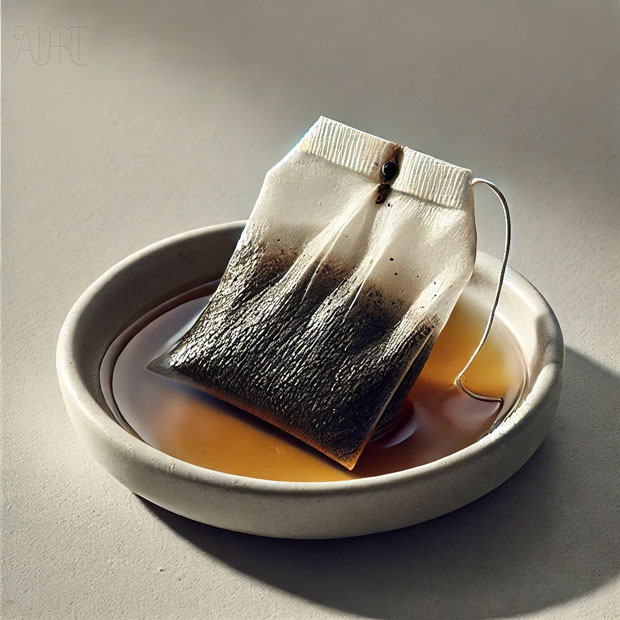
And by that, we mean really black tea—with a high caffeine content, the kind we usually avoid drinking after 5 p.m. The recommendation is to use tea bags and steep them in freshly boiled water for about 2 minutes, then remove them and let them cool. For an extra boost, place the tea bags in the refrigerator for around 20 minutes beforehand.

Apply the cooled, well-drained tea bags as cold compresses to closed eyes for 15 minutes. They can be used daily, ideally in the morning.

If redness or irritation occurs, consult a healthcare professional.

Extra tip: As part of a regular routine for dark circles, it can also be helpful to occasionally use fresh cucumber masks (the more watery, the better), masks made with organic green clay (montmorillonite), and skincare products based on plant-derived caffeine.


Women’s health

Lady’s mantle tea (Alchemilla vulgaris) is well known in traditional medicine as a key herbal tea for supporting and promoting women’s health. This is due to its specific active compounds:

Tannins – Have astringent properties; help with digestive discomfort, cramps, and diarrhea, and reduce bloating.

Flavonoids – Act as antioxidants by neutralizing free radicals and therefore have anti-inflammatory effects. They help reduce menstrual pain and include phytoestrogens that support hormonal balance and ease menopausal symptoms.

Salicylic acid – Has anti-inflammatory effects, helps relieve menstrual pain, and is also used topically as a toner for acne-prone and oily skin.

During pregnancy, the use of lady’s mantle tea should be discussed with a gynecologist, especially in the first trimester, when it should be avoided.


Man’s health

WILLOWHERB TEA (Epilobium spp.)

Traditionally, willowherb has been used to support prostate and urinary tract health, and there is growing evidence for the effectiveness of its compounds in benign prostatic hyperplasia. Studies from 2020 indicate that polyphenols found in willowherb inhibit the growth of prostate cells, suggesting a beneficial effect on prostate health. In addition, several clinical studies are currently underway examining its ability to inhibit the enzyme 5-alpha reductase, thereby reducing the conversion of testosterone into dihydrotestosterone—a process associated with prostate enlargement.

Dosage: 1–2 cups per day during periods of mild prostate-related symptoms, for up to 4–6 weeks.

With longer-term use, it is recommended to take a 2-week break after every 5 weeks and to avoid excessive daily intake to prevent stomach irritation.

Learn more about:
1 2 3 4 5