TEA TIME? ME TIME!

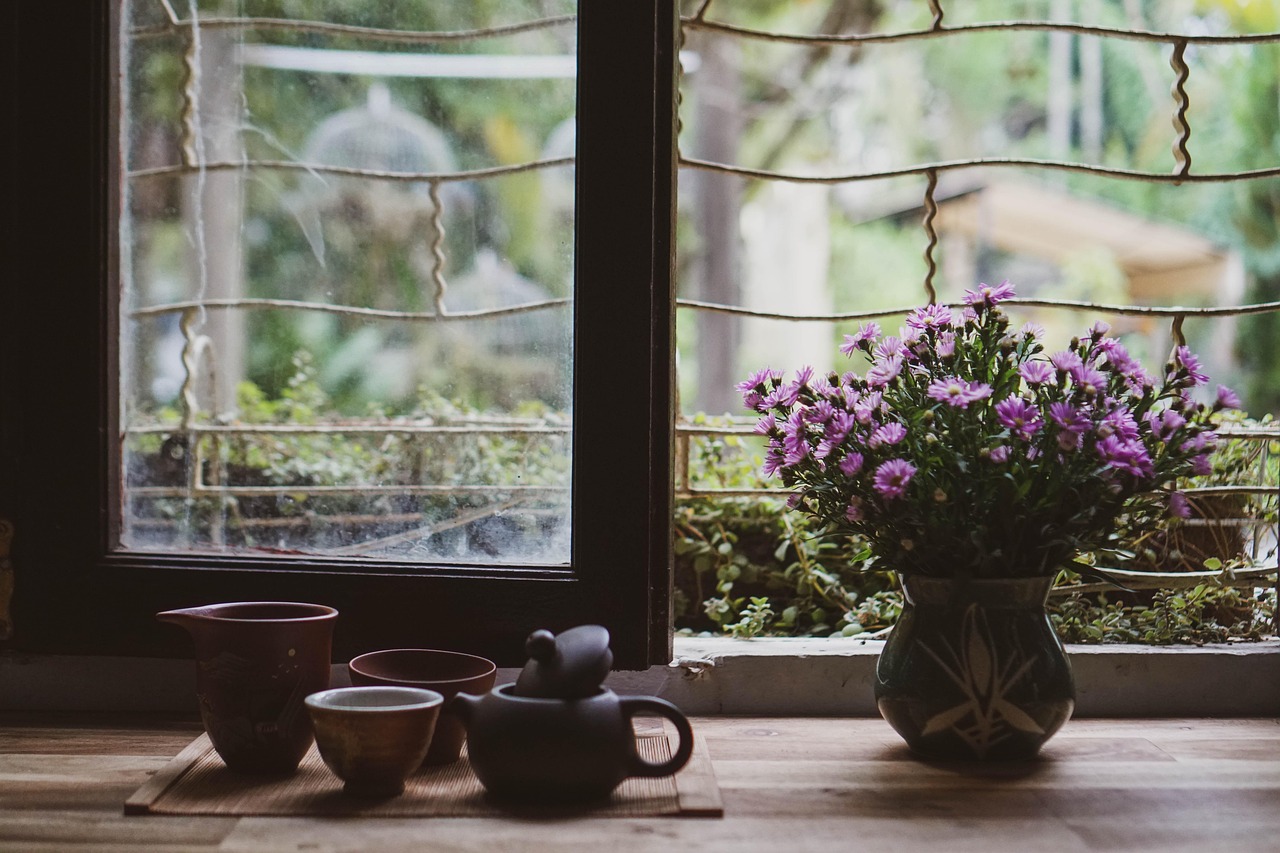
A warm blanket, gentle lighting, music or a book you enjoy, and a hot cup of tea—this sounds like an ideal afternoon after a morning shift, or a relaxing day off from the rest of the world. Fruit or herbal, with theine (caffeine) or completely caffeine-free, with honey, lemon, or milk—however you prefer it. One of the oldest (dating back to around 2000 BCE) and most valued beverages in the world has been with us for so long that we have slowly begun to take it for granted. From China, through Japan and India, and later to Europe, the spread of tea began long before Earl Grey became a symbol of British tea culture.
Classic tea comes from a single plant—Camellia sinensis, also known as the Chinese tea plant. It is an evergreen, shrub-like plant that, depending on growing conditions, can develop either as a low, spreading bush or grow upward with a trunk reaching heights of up to 12 meters (in southern and central China). From its first recorded use, when, according to Chinese legend, dried leaves were accidentally blown by the wind into boiling water, C. sinensis has come a long way. Today, it is increasingly mentioned in scientific literature, and growing attention is being given to its medicinal properties.
Its anti-inflammatory effects have been well documented. Compounds found in the plant, known as catechins, directly reduce pro-inflammatory molecules called cytokines (COX) in the body. According to more recent studies, they have shown beneficial effects in chronic inflammatory conditions such as atherosclerosis and pancreatitis, and even in the prevention of pre-cancerous lesions. In 2021, researchers studying cannabinoids for cardiovascular protection (from Cannabis sativa L.) identified a range of active compounds with cannabinoid-like effects. Similar protective compounds—catechins—are also found in tea, particularly in green tea, which is the primary form in which the tea plant is consumed.
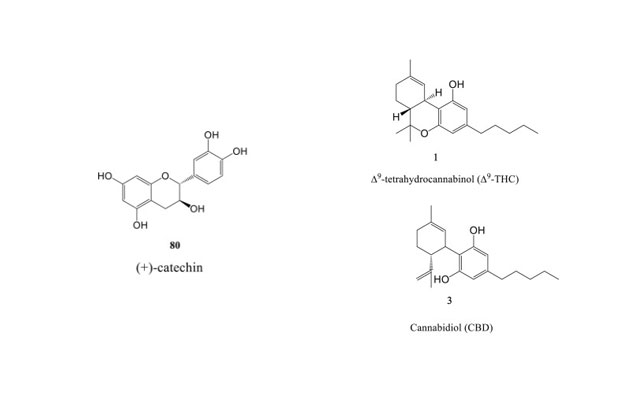
Picture 1
Molecular structure of catechins (left) vs. cannabinoids (right).
In addition to their cardioprotective effects, research also suggests that catechins may help reduce pain and have a modulating effect on appetite. Depending on the degree of oxidation, teas can be divided into five main types:
Green tea – minimally oxidized, mild in taste, and well known for its health benefits.
Black tea – fully oxidized, strong in both flavor and its effect on alertness, though for this reason it is often the hardest on the stomach.
Oolong tea – partially oxidized, with characteristics that fall between green and black tea.
White tea – the least processed, with a delicate flavor; often used for relaxation due to its very low theine (caffeine) content; the best option for people with gastritis.
Pu-erh tea – fermented, with an earthy flavor; commonly used for digestive issues and as support in weight management.
However, today’s teas go far beyond C. sinensis. Depending on culture, tradition, and climate, every nation has its own specific plant species that are used in the form of teas and tinctures to support health and prevention. These practices and recipes are often passed down from generation to generation. When choosing a tea, it is wise to look for proper guidance and advice—both regarding recommended maximum daily amounts and its use or avoidance during pregnancy, breastfeeding, or in the presence of certain systemic or chronic conditions.
Post-infectious cough
One of the most unpleasant and persistent symptoms that often lingers after more severe—but also moderate—viral infections of the upper respiratory tract. Recently, we unfortunately witnessed the return of whooping cough—fortunately in a milder form, yet still strong enough to cause an intense, dry, choking cough for weeks, and sometimes even months after recovery. This cough was particularly noticeable in the evening hours, disrupting sleep and normal daily functioning in both adults and children.
Alongside other symptomatic treatment measures, certain teas may be helpful in relieving a dry cough.
BAY LEAF TEA
It has anti-inflammatory properties, soothes the airways, and while it primarily calms a dry cough, it can also help with expectoration in cases of mucus buildup.
Preparation: Pour 250 mL of hot water over 3–4 dried bay leaves. Honey and lemon may be added if desired.
Safe use: 1–2 times per day, for 3 to 7 days (do not use continuously for longer periods to avoid digestive discomfort).
Pregnancy: Although, in theory, a small amount of bay leaf tea (once daily for a few days) should not be harmful during pregnancy, due to the lack of sufficient research, pregnant women are generally advised to choose alternatives for cough relief, such as chamomile, marshmallow root, ginger tea, and similar options.
GINGER TEA
This aromatic tea has proven to be particularly helpful for people with asthma.
In addition to its anti-inflammatory effects, its active compounds—gingerol and shogaol—promote bronchodilation, helping to widen the small airways and make breathing easier. Some studies even suggest that ginger may enhance the effect of beta-agonists, medications commonly used to dilate the bronchi in asthma.
Preparation: Slice about 2 cm of fresh ginger into thin pieces, pour over hot water, and let it steep for around 10 minutes. Add honey and lemon if desired. Drink 1–2 cups per day during periods of more pronounced symptoms.
Note: Ginger tea cannot replace either long-term or rescue asthma therapy. It should be used only as a supportive addition to prescribed treatment.
Acute hemorrhoid flare-up
Hemorrhoids are a condition involving swelling—and often inflammation—of the veins in the lower part of the rectum. Although they are usually not life-threatening, they can be very uncomfortable and significantly reduce quality of life. They are aggravated by prolonged sitting, hard stools and constipation, pregnancy, and straining, which is why they are best managed through preventive measures such as dietary adjustments, the use of psyllium, and anatomical cushions designed for sitting.
Hemorrhoids are classified as internal or external, though a mixed form can also occur. There are four stages of hemorrhoids; stages III and especially IV may require surgical treatment. In addition to topical ointments (for external hemorrhoids) and suppositories (for internal hemorrhoids), using a specially designed anatomical seat cushion can also be helpful.
OAK BARK TEA
This tea is especially useful for lukewarm sitz baths, as it has astringent properties that help reduce swelling, irritation, and inflammation. During an acute hemorrhoid flare-up, it can be used both locally and systemically.
LOCAL use:
Lukewarm (not hot) sitz baths: once daily for 15 minutes, for a maximum of 7 days.
SYSTEMIC use:
As a lukewarm tea, taken 2–3 times per day, for up to 3 days.
It is intended for adults over 18 years of age and is not recommended during pregnancy or breastfeeding. In such cases, lukewarm chamomile sitz baths are advised instead.
It may also be used in the form of compresses applied to hemorrhoids, but not if an open wound is present—in which case an examination by a specialist is necessary.
CHAMOMILE TEA
Compresses and lukewarm chamomile tea baths are a good alternative if oak bark tea is currently unavailable in pharmacies or health stores.
Dark circles and puffiness around the eyes
For some, dark circles appear only occasionally and depend on the quality of sleep the night before; for others, they are a more frequent concern. While darker discoloration can be masked with brightening creams and makeup, puffiness is often more difficult to reduce.
Note: If dark circles and swelling persist throughout the day or seem to worsen, it is advisable to consult your doctor so that basic laboratory tests can be performed (complete blood count, blood glucose, kidney function, liver enzymes, and others as assessed by the physician).
BLACK TEA COMPRESSES
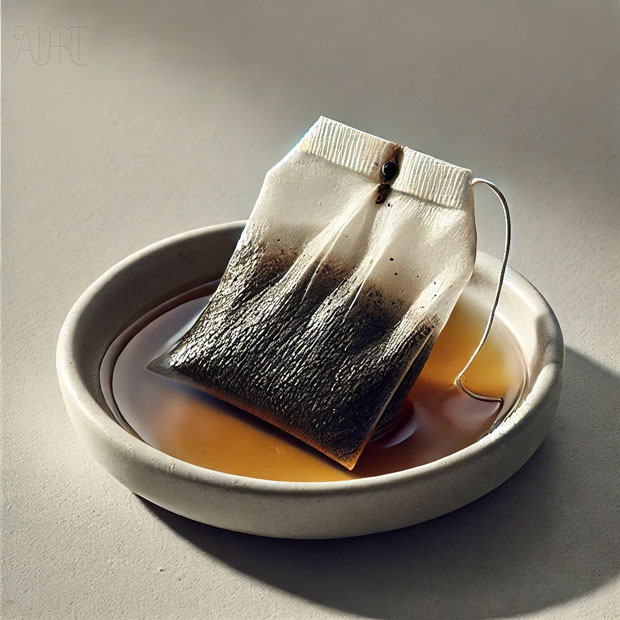
And by that, we mean really black tea—with a high caffeine content, the kind we usually avoid drinking after 5 p.m. The recommendation is to use tea bags and steep them in freshly boiled water for about 2 minutes, then remove them and let them cool. For an extra boost, place the tea bags in the refrigerator for around 20 minutes beforehand.
Apply the cooled, well-drained tea bags as cold compresses to closed eyes for 15 minutes. They can be used daily, ideally in the morning.
If redness or irritation occurs, consult a healthcare professional.
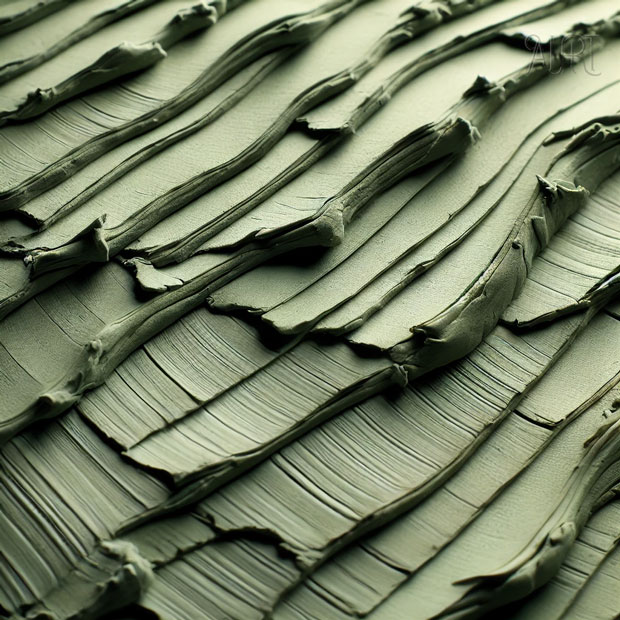
Extra tip: As part of a regular routine for dark circles, it can also be helpful to occasionally use fresh cucumber masks (the more watery, the better), masks made with organic green clay (montmorillonite), and skincare products based on plant-derived caffeine.
Women’s health
Lady’s mantle tea (Alchemilla vulgaris) is well known in traditional medicine as a key herbal tea for supporting and promoting women’s health. This is due to its specific active compounds:
Tannins – Have astringent properties; help with digestive discomfort, cramps, and diarrhea, and reduce bloating.
Flavonoids – Act as antioxidants by neutralizing free radicals and therefore have anti-inflammatory effects. They help reduce menstrual pain and include phytoestrogens that support hormonal balance and ease menopausal symptoms.
Salicylic acid – Has anti-inflammatory effects, helps relieve menstrual pain, and is also used topically as a toner for acne-prone and oily skin.
During pregnancy, the use of lady’s mantle tea should be discussed with a gynecologist, especially in the first trimester, when it should be avoided.
Man’s health
WILLOWHERB TEA (Epilobium spp.)
Traditionally, willowherb has been used to support prostate and urinary tract health, and there is growing evidence for the effectiveness of its compounds in benign prostatic hyperplasia. Studies from 2020 indicate that polyphenols found in willowherb inhibit the growth of prostate cells, suggesting a beneficial effect on prostate health. In addition, several clinical studies are currently underway examining its ability to inhibit the enzyme 5-alpha reductase, thereby reducing the conversion of testosterone into dihydrotestosterone—a process associated with prostate enlargement.
Dosage: 1–2 cups per day during periods of mild prostate-related symptoms, for up to 4–6 weeks.
With longer-term use, it is recommended to take a 2-week break after every 5 weeks and to avoid excessive daily intake to prevent stomach irritation.